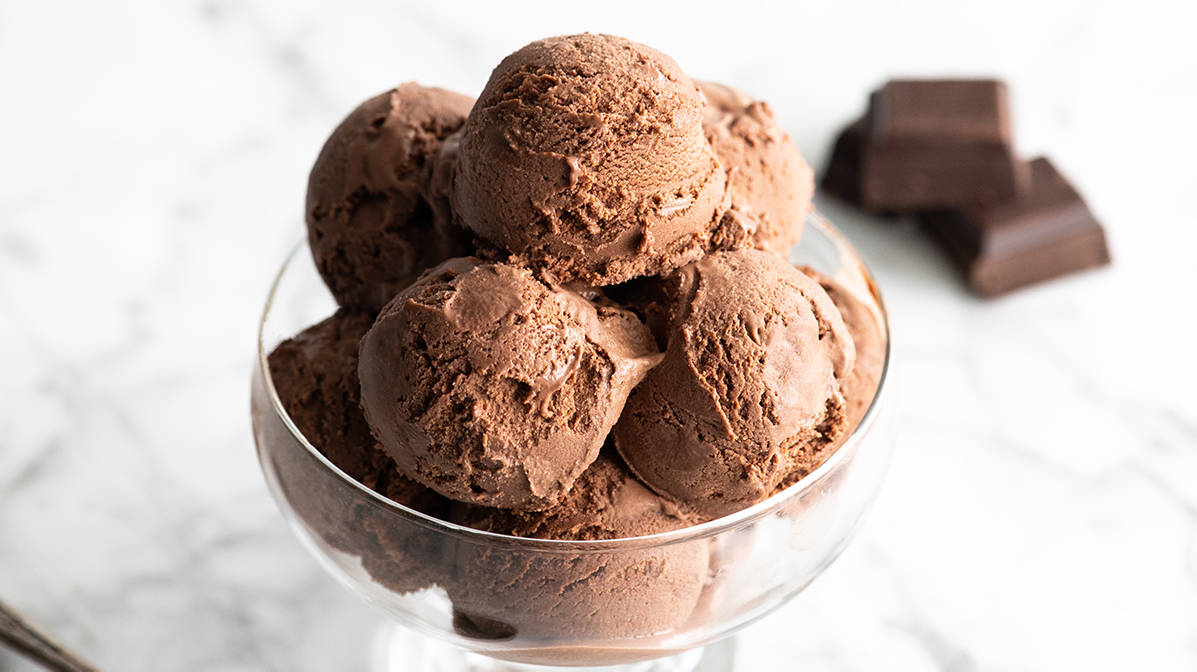
Homemade Chocolate Ice Cream: The Secret to Unforgettable Richness
There’s nothing quite like the creamy, luxurious embrace of homemade chocolate ice cream. Forget store-bought tubs; creating this decadent dessert in your own kitchen offers a level of richness and flavor that’s simply unparalleled. Whether you're battling a heatwave, satisfying a midnight craving, or topping a warm brownie, a good
chocolate ice cream recipe is a culinary superpower. But what truly sets an exceptional batch apart from the ordinary? The answer lies not just in the steps you follow, but fundamentally in the ingredients you choose and how they interact to build that deep, satisfying chocolatey profile and velvety texture.
The Foundation of Flavor: Why Ingredients Matter
The journey to perfect chocolate ice cream begins long before any mixing or freezing. It starts with a mindful selection of each component, understanding its specific role in the final masterpiece. Think of it like building a house: a strong foundation and quality materials are non-negotiable for a sturdy and beautiful result. In ice cream making, this means paying close attention to your dairy, your sweeteners, and, of course, the star of the show – the chocolate itself. Each ingredient contributes a distinct characteristic, from the fat content that dictates creaminess to the specific type of cocoa that defines the depth of flavor. Getting these elements right is the key to unlocking that rich, melt-in-your-mouth experience everyone craves.
Decoding Your Dairy: Cream and Milk
The backbone of any truly luscious ice cream is its dairy base. This is where the magic of texture begins, transforming simple liquids into a frozen dream.
Heavy Cream: The Ultimate Creaminess Factor
When it comes to achieving that coveted rich and creamy texture,
heavy cream is non-negotiable. Its high fat content (typically 36% or more) is what prevents large ice crystals from forming, ensuring your ice cream remains smooth and luxurious. Without it, you risk a dessert that’s icy rather than velvety. For the absolute best results, opt for heavy whipping cream; its fat percentage is ideal for both churning and maintaining a stable, creamy consistency.
If you’re looking for a slightly lighter version, you could experiment with half-and-half, but be prepared for a noticeable difference in creaminess. The reduced fat content simply won't yield the same opulent mouthfeel. Some recipes also suggest substitutes like full-fat coconut cream for a dairy-free option, but this introduces a distinct coconut flavor and alters the overall profile significantly. For a classic, rich chocolate ice cream, heavy cream is king.
Whole Milk: Supporting Flavor and Texture
While heavy cream provides the richness,
whole milk plays a crucial supporting role, contributing to both the overall flavor and the creamy texture. Its balanced fat and water content helps create a stable base, allowing the other ingredients to meld beautifully. Using whole milk ensures a fuller body and helps prevent the ice cream from becoming overly dense or fatty.
Can you substitute? Absolutely, but with caveats. Using 2% milk will result in a less creamy product due to lower fat. Skim milk is generally not recommended as it can lead to a much icier, less satisfying texture. For those exploring plant-based alternatives, almond milk or oat milk can work in a pinch, but be mindful that these options often contain less fat and more water, which can increase the likelihood of ice crystals forming, making your ice cream a bit icier. For an authentic, classic chocolate ice cream recipe, sticking to whole milk is your best bet for optimal flavor and texture.
Sweetness and Depth: Sugar and Cocoa
Beyond the dairy, the careful balance of sweetness and intense chocolate flavor is what truly defines a memorable chocolate ice cream.
Sugar: More Than Just Sweetness
Granulated sugar isn't just for sweetening; it's a critical component in the texture of your ice cream. Besides providing the desired sweetness, sugar acts as an antifreeze, lowering the freezing point of the mixture and inhibiting the formation of large ice crystals. This contributes significantly to a smoother, scoopable consistency.
While granulated sugar is standard, you can experiment to add complexity.
Brown sugar, for instance, can introduce subtle caramel notes and a deeper flavor profile. For those managing sugar intake, substitutes like Stevia or erythritol can be used, but it's important to note that they often behave differently structurally. They may not lower the freezing point as effectively as sugar, potentially leading to a firmer, less creamy texture. Always adjust quantities and expectations when using sugar alternatives in a
chocolate ice cream recipe.
Cocoa Powder: The Essence of Chocolate Flavor
The true chocolatey heart of your ice cream comes from
cocoa powder. Unsweetened cocoa powder is generally preferred as it allows you to control the sweetness level independently. It provides that pure, unadulterated chocolate essence. For a deeper, less acidic, and often darker chocolate flavor, consider using Dutch-process cocoa powder. This type of cocoa has been treated with an alkali to neutralize its acidity, resulting in a smoother, mellower taste. Experimenting with a high-quality cocoa powder, whether natural or Dutch-process, can elevate your ice cream to gourmet status.
If you're ever in a bind, a chocolate drink mix *could* be used, but be aware that it typically contains sugar and other additives, which will significantly alter the flavor and sweetness profile of your base recipe. For a truly rich chocolate ice cream, investing in good quality unsweetened cocoa powder is a worthy endeavor.
The Heart of Chocolate: Semi-Sweet & Beyond
The final layer of chocolate goodness often comes from melted chocolate, adding richness and a more complex depth that cocoa powder alone can't achieve.
Semi-Sweet Chocolate: The Perfect Balance
Adding finely chopped
semi-sweet chocolate to your base takes your ice cream from great to absolutely divine. Semi-sweet chocolate provides a beautiful balance of sweetness and robust cocoa flavor, complementing the cocoa powder without overwhelming it. It melts into the warm dairy base, creating an incredibly silky, decadent mixture.
For those who love a stronger, more intense chocolate experience, dark chocolate (70% cocoa or higher) can be used for a richer, more bitter note. Conversely, milk chocolate will result in a sweeter, milder flavor, often preferred by those with a sweeter tooth. The key is to chop your chosen chocolate finely to ensure it melts smoothly and completely into the warm base, creating an emulsified, luscious texture.
Vanilla Extract & A Pinch of Salt: The Unsung Heroes
Don't underestimate the power of a splash of
pure vanilla extract and a tiny
pinch of salt. While seemingly minor, vanilla enhances and rounds out the chocolate flavor, adding a layer of aromatic complexity. Salt, often overlooked in sweet recipes, is a flavor enhancer, intensifying the chocolate and balancing the sweetness, making every spoonful more profound and satisfying. These small additions are crucial for a well-balanced and truly rich chocolate ice cream.
Crafting Creaminess: Beyond the Churner
While an ice cream maker is a fantastic tool for creating consistently smooth ice cream, it's not a prerequisite for homemade deliciousness. Many popular recipes, boasting millions of views, prove that you can achieve rich, creamy results even without specialized equipment.
The traditional method involves chilling your prepared base thoroughly, then churning it in an ice cream maker according to the manufacturer's instructions. Churning incorporates air and breaks up ice crystals as the mixture freezes, resulting in that classic smooth texture.
However, if you don't have an ice cream maker, you can still achieve impressive results. The no-churn method involves pouring your chilled mixture into a shallow freezer-safe dish and then *manually* stirring it every 30-45 minutes for the first 2-3 hours of freezing. This manual stirring is crucial; it mimics the action of an ice cream maker by disrupting ice crystal formation, ensuring a smoother, creamier texture. Patience is key here, as this process may take a few hours until the ice cream reaches a scoopable consistency. For detailed instructions on achieving this, you might find valuable insights in articles like
Easy No-Churn Chocolate Ice Cream: Get Creamy Results Without a Machine or even quick, minimal-effort versions like
Make Chocolate Ice Cream in 10 Mins: Quick & Easy, No Machine Needed. These methods highlight the versatility and accessibility of homemade ice cream for everyone.
Essential Prep: Getting Started with Your Chocolate Ice Cream Recipe
Making homemade chocolate ice cream is a rewarding process, and while it requires some waiting, the hands-on prep time is surprisingly quick. Here's a general overview of the steps involved in many classic
chocolate ice cream recipes:
1.
Combine Your Base: In a medium saucepan, gently whisk together your whole milk, granulated sugar, unsweetened cocoa powder, and a pinch of salt. Heat this mixture over medium heat, stirring constantly, until the sugar is fully dissolved and the mixture is smooth. It’s important not to let it boil – just bring it to a gentle simmer.
2.
Melt the Chocolate: Once the base is smooth and hot, remove it from the heat. Add your finely chopped semi-sweet chocolate and stir continuously until the chocolate is completely melted and incorporated, creating a luxurious, silky-smooth chocolate liquid.
3.
Add Cream and Flavor: Pour in the heavy cream and stir in the pure vanilla extract. Mix everything thoroughly until the mixture is uniform and smells absolutely heavenly.
4.
Chill Thoroughly: This step is crucial. Transfer the mixture to a clean bowl, cover it, and refrigerate for at least 2 hours, or ideally until it’s completely cold (even overnight). A well-chilled base freezes more efficiently and results in a creamier ice cream.
5.
Churn or Freeze: Once chilled, churn the mixture in your ice cream maker according to its instructions, or follow the no-churn method by freezing in a shallow dish and stirring every 30-45 minutes until firm.
6.
Final Freeze: After churning or achieving a soft-serve consistency with the no-churn method, transfer the ice cream to an airtight container and freeze for at least 4 hours (or overnight) to allow it to firm up to a scoopable texture.
Plan for about 15-20 minutes of active prep time, followed by several hours of chilling and freezing. The anticipation is part of the joy!
Unleashing Your Inner Chocolatier: Customization & Serving Suggestions
One of the greatest joys of a homemade
chocolate ice cream recipe is the endless potential for customization. Once you've mastered the basic recipe, feel free to get creative:
*
Mix-Ins: Fold in chocolate chips, chopped nuts (pecans, walnuts, almonds), crushed cookies (Oreos are a classic!), mini marshmallows, or even swirls of caramel or fudge sauce during the final stages of freezing.
*
Flavor Boosts: Add a teaspoon of instant espresso powder to the base for a mocha-flavored twist, or a hint of cayenne pepper for a subtle Mexican chocolate kick. A touch of peppermint extract can transform it into a refreshing mint chocolate chip.
*
Serving Ideas: Beyond the classic cone or bowl, this rich chocolate ice cream is phenomenal scooped over warm brownies, alongside a slice of apple pie, or as the star in a homemade sundae bar with whipped cream, sprinkles, and a cherry on top. Don't forget a drizzle of homemade hot fudge!
Conclusion
Making homemade chocolate ice cream is a delightful culinary adventure that rewards you with a dessert far superior to anything you can buy. By understanding the essential role each ingredient plays – from the richness of heavy cream and whole milk to the depth of quality cocoa and semi-sweet chocolate – you unlock the secret to truly unforgettable flavor and texture. With a little patience and attention to detail, you can create a truly luxurious treat that will satisfy every chocolate craving and impress anyone lucky enough to try a scoop. So gather your ingredients, follow your chosen
chocolate ice cream recipe, and prepare to indulge in the ultimate homemade delight.